
Agios Georgios
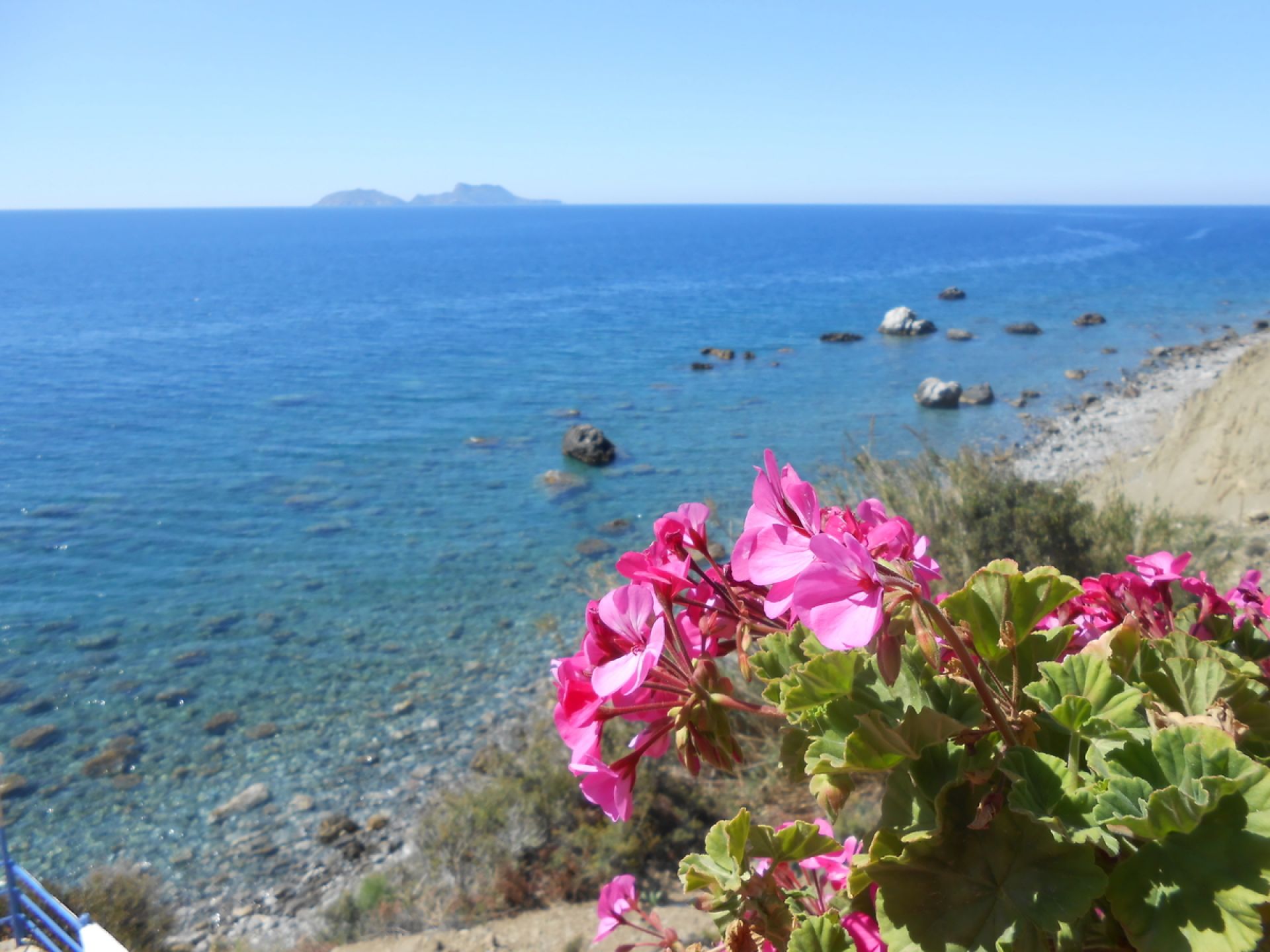
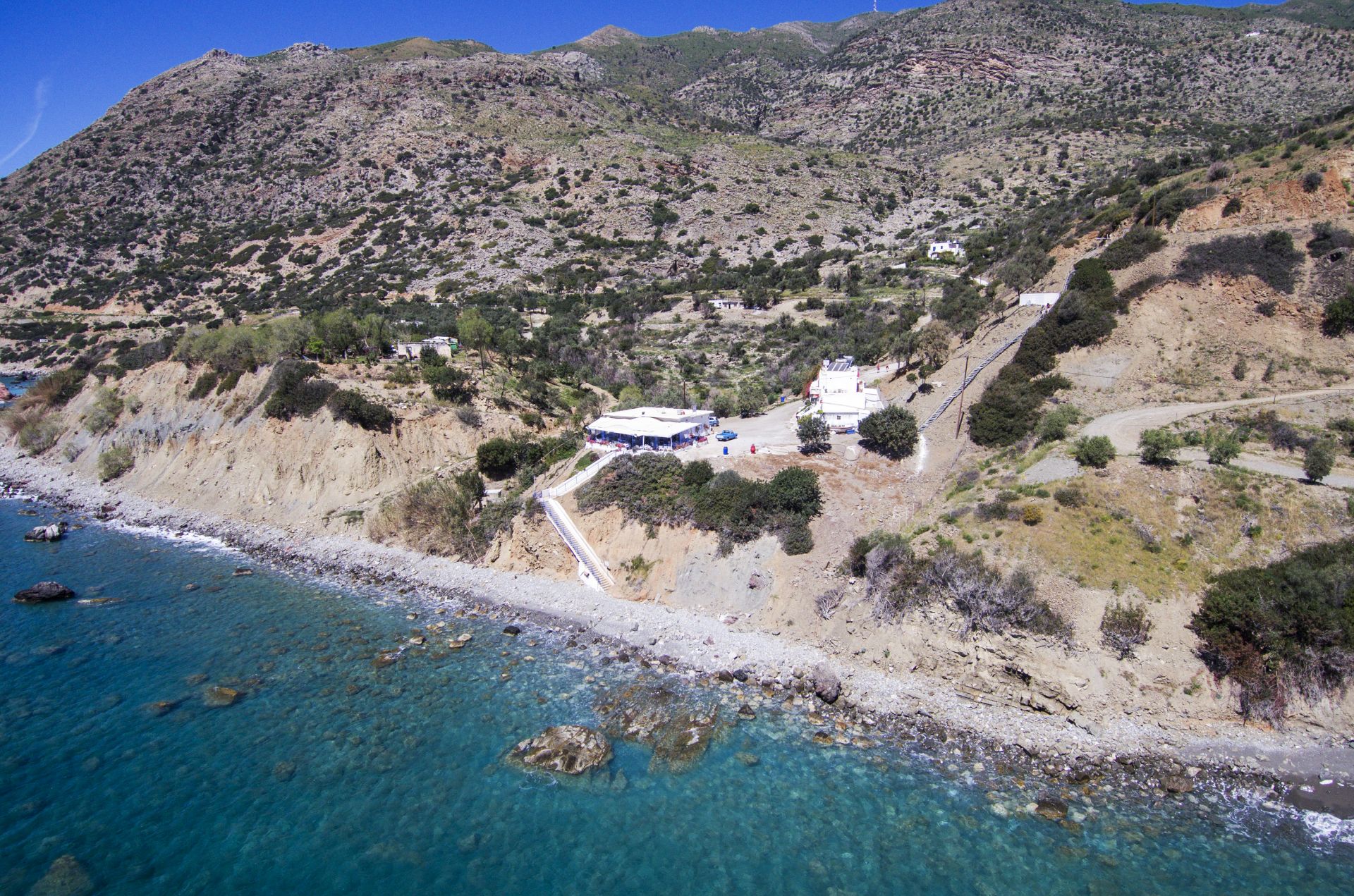
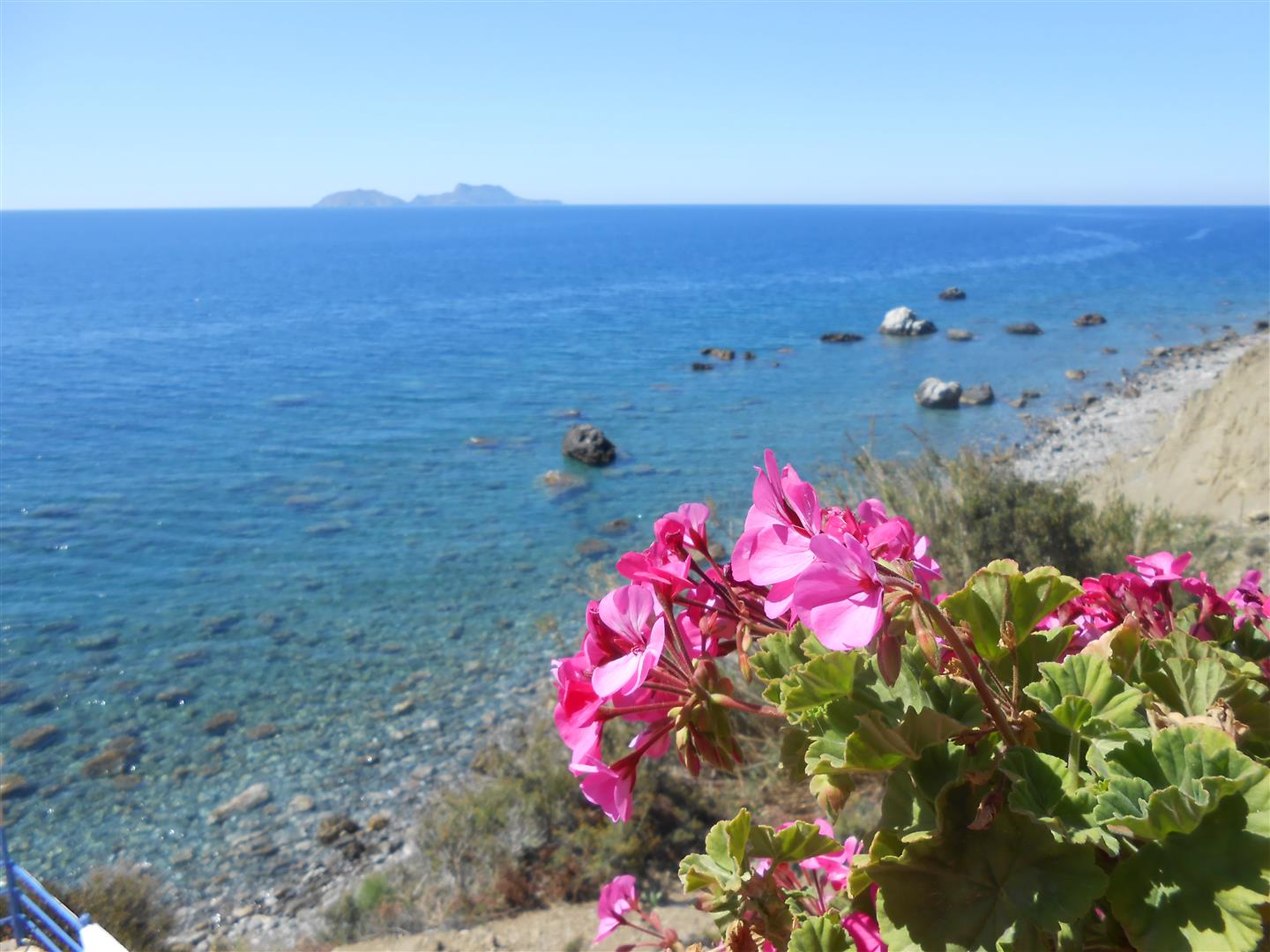
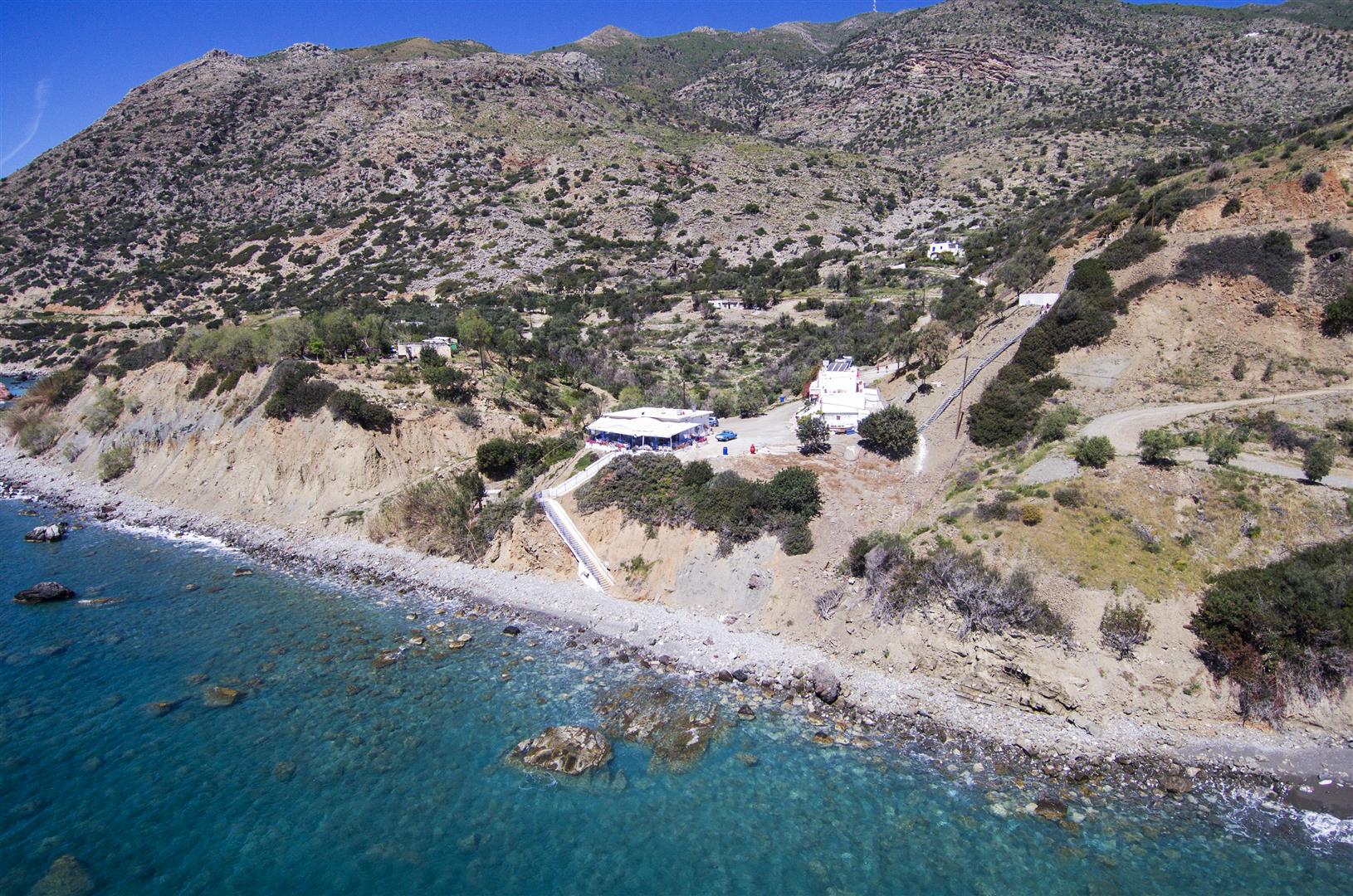
A sud di Creta, a poca distanza da Agia Galini, si trova la spiaggia di Agios Georgios. È luogo lontano dalla frenesia della vita cittadina, con acque cristalline e una spiaggia incontaminata. Il posto giusto per una vacanza all’insegna del relax.
Sulla strada per Agios Georgios, troverete molti sentieri che vi condurranno a piccole cappelle o a minuscole e tranquille spiagge di ciottoli.
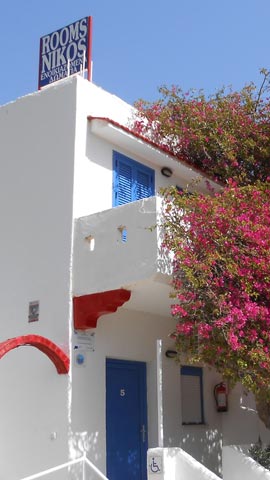
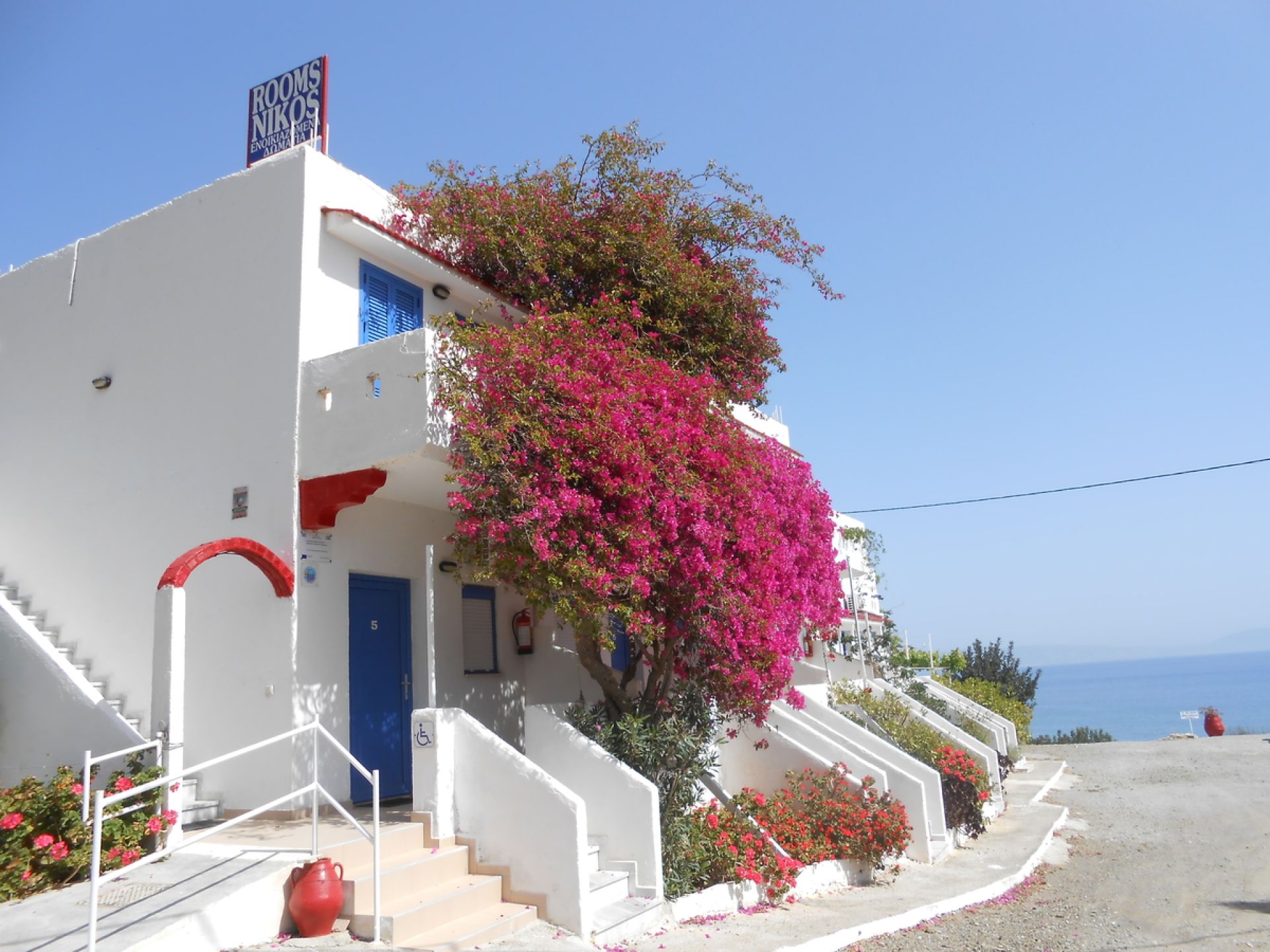
Nikos Place
Viste
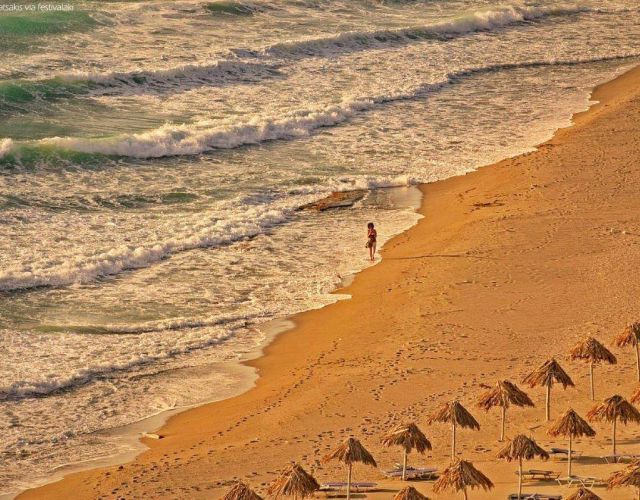
Kommos beach
The ancient port of Phaistos has one of the longest beaches in Crete. In front of the antiquities there is a part of the beach with sunbeds and umbrellas. There is a tavern a little further.
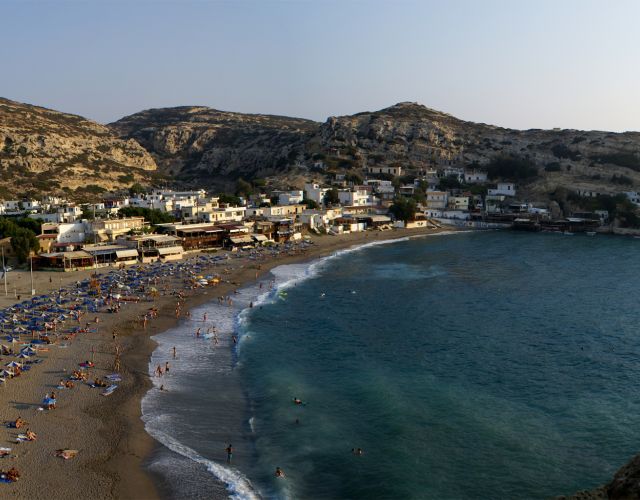
Matala beach
The beach of Matala has been occupied since ancient times. The settlers back then carved a set of caves in the soft rock of the mountain. During a period these same caves were inhabited by hippies who made them famous worldwide. The beach provides umbrellas and sunbeds. In the village there are tourist shops, restaurants, cafes and bars.
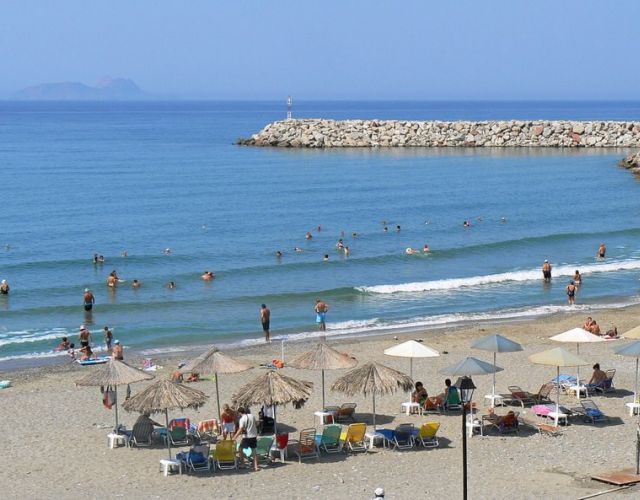
Kokkinos Pyrgos beach
The small port of Kokkinos Pyrgos separates its two beaches. On the west side there is a rocky and pebble beach that stretches to Agia Galini and on the east side a beach that reaches Kommos.
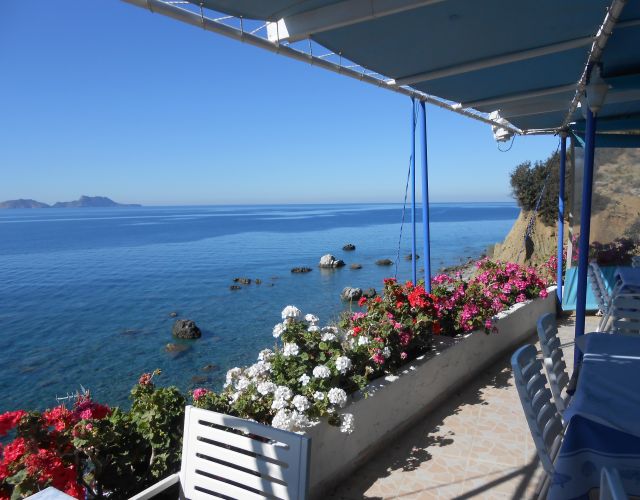
Taverna
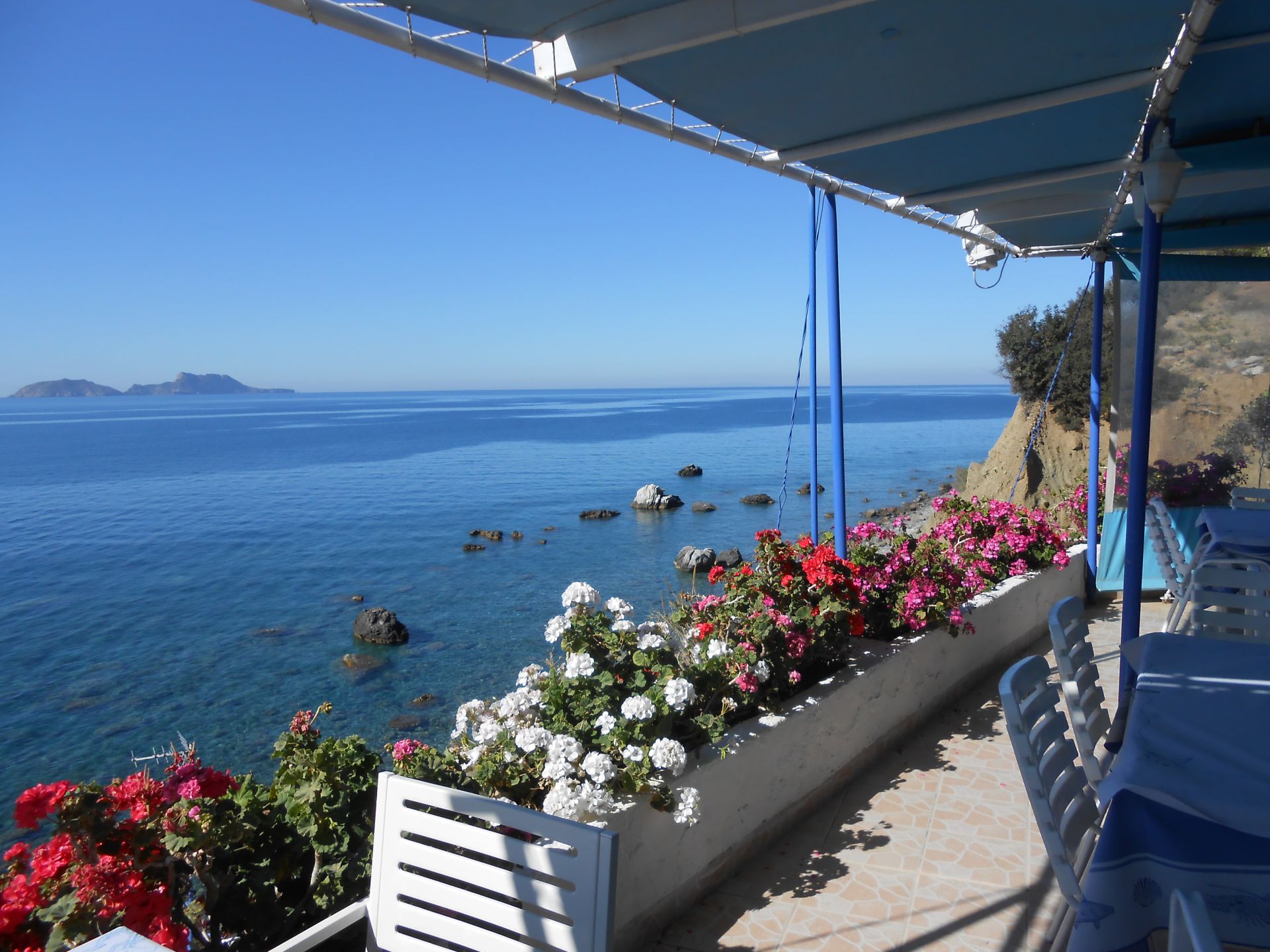
Dal 1977, gli ospiti della nostra taverna si godono i piatti della tradizione cretese e la vista mozzafiato sul mar libico.
Se volete assaggiare pesce fresco, aragosta viva e la gustosa cucina locale cretese sentendovi come se foste in crociera, la sola cosa che dovete fare è venirci a trovare.
La nostra taverna opera nel pieno rispetto delle più rigorose norme di sicurezza alimentare,HACCP e ISO.
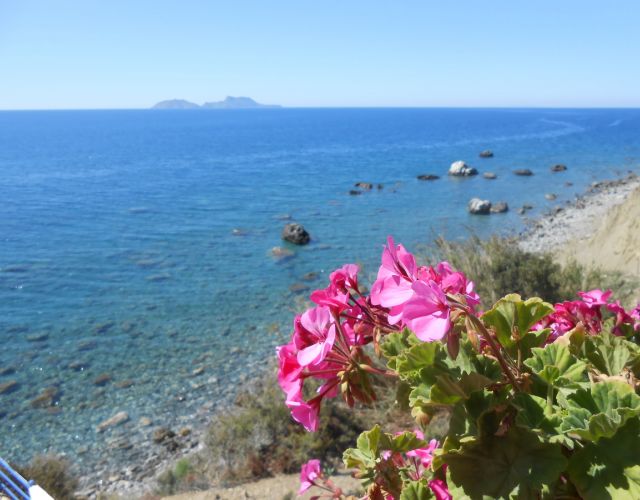
Agios Georgios
A sud di Creta, a poca distanza da Agia Galini, si trova la spiaggia di Agios Georgios. È luogo lontano dalla frenesia della vita cittadina, con acque cristalline e una spiaggia incontaminata. Il posto giusto per una vacanza all’insegna del relax.
Sulla strada per Agios Georgios, troverete molti sentieri che vi condurranno a piccole cappelle o a minuscole e tranquille spiagge di ciottoli.
Grazie alla sua collocazione geografica, la spiaggia di Agios Georgios è davvero splendida. È protetta da un’enorme roccia, ha magnifiche acque cristalline e piccoli ciottoli.
Agios Georgios rappresenta il punto di partenza ideale per escursioni alle spiagge e ai villaggi di Agia Galini e Agios Pavlos, che distano rispettivamente 8 e 10 km.
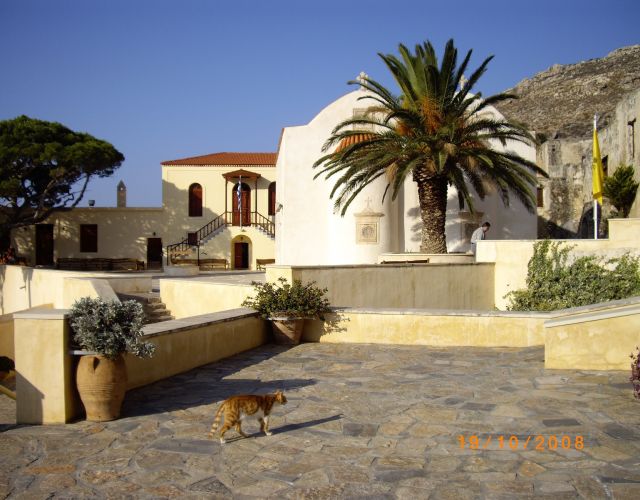
Monastery of Preveli
The monastery was founded in the 16th or 17th century and has a long history. It is located in a lush and verdant landscape.
Today the monastery is deserted, but there is a museum of ecclesiastical documents, vestments, etc.
After leaving the monastery, the visitor can reach on foot the beautiful beach of Preveli.
Gallery